
Ribblesdale: full of the 'big names' of the Yorkshire Dales
Ribblesdale is packed with the 'big names' of Yorkshire Dales attractions and activities. The River Ribble starts on the moor above Newby Head, at Gavel Gap and flows on towards the Irish Sea. Ribblesdale is the area from the source of the River Ribble until Settle (or Helllifield depending who you speak to), after which it becomes known as the Ribble Valley.
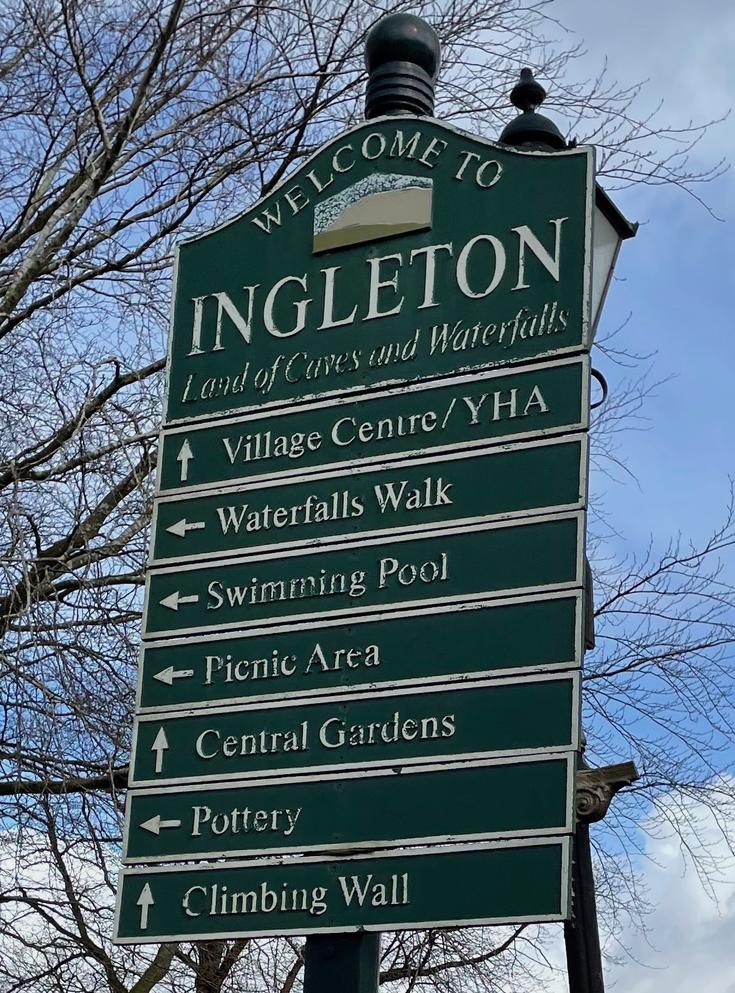
Many first-time visitors to the Yorkshire Dales come specially for the challenge of Yorkshire's Three Peaks - Whernside, Ingleborough and Pen-y-ghent. The long-distance routes of Pennine Way, Pennine Bridleway and Dales High Way all run through Ribblesdale. Ingleton is a popular base by the river and the waterfalls walk.
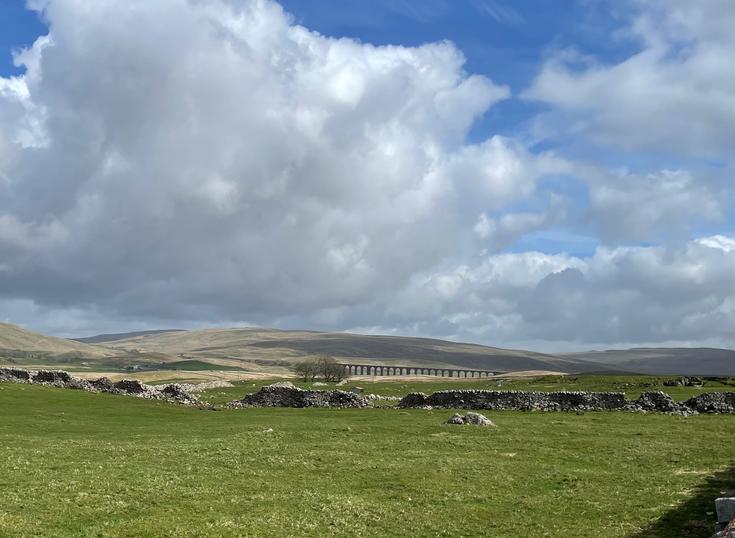
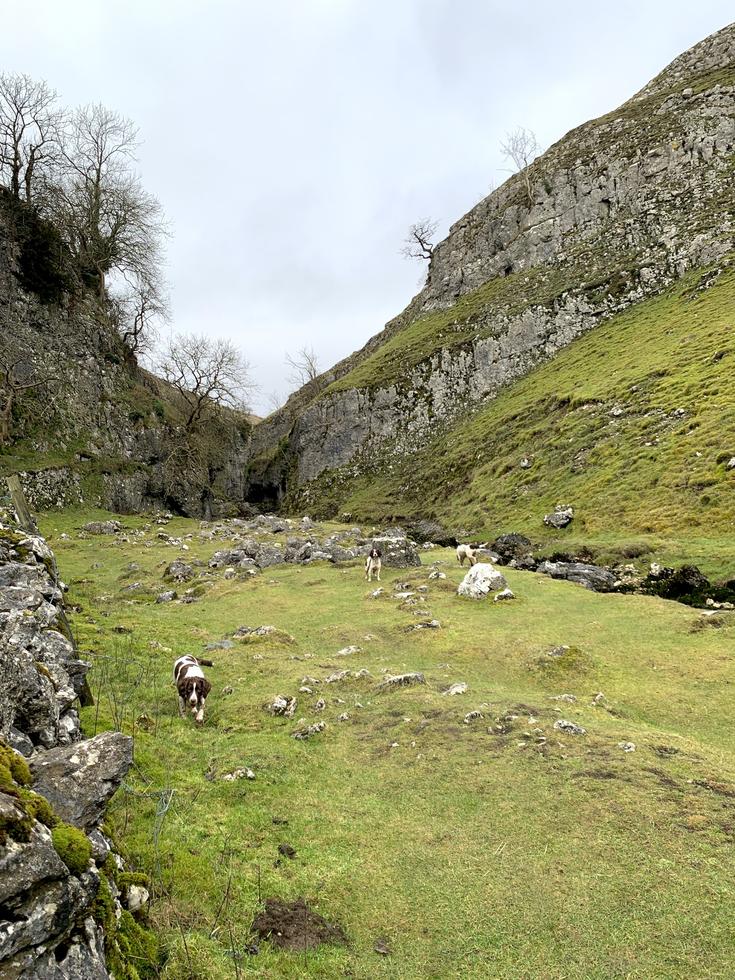
If you're looking for a walk where you'll barely see a soul, try Long Preston, Feizor and Crummackdale. One of Ribbledales's most iconic landmarks is Ribbleshead Viaduct, an amazing feat of Victorian engineering. The 24 arches span a 440-yard stretch across Batty Moss, and were built by a team of over 2,300 men.
The much-loved Settle-Carlisle Railway attracts many visitors who travel from around the world to enjoy the breath-taking journey on this famous route.


The Hoffman Kiln is a huge structure that many still manage to miss. Once you've discovered it, you'll be amazed!
The river Ribble is a famous salmon river so if you're lucky in late October and November you might see the amazing display of Salmon leaping up Stainford Forth.
Many visitors will never see some of Ribblesdale's incredible sights - as they're hidden underground in an amazing network of cave systems. Some of these are accessible (with care - guides are recommended) and excavations have even found evidence of rhinos and elephants from over 130,000 years ago when the climate was much warmer. You can find out more at the panel by Victoria Cave or by visiting Ingleborough Cave. Gaping Gill, is one of the largest underground open chambers in the country and just one of the numerous potholes and cave systems to explore.
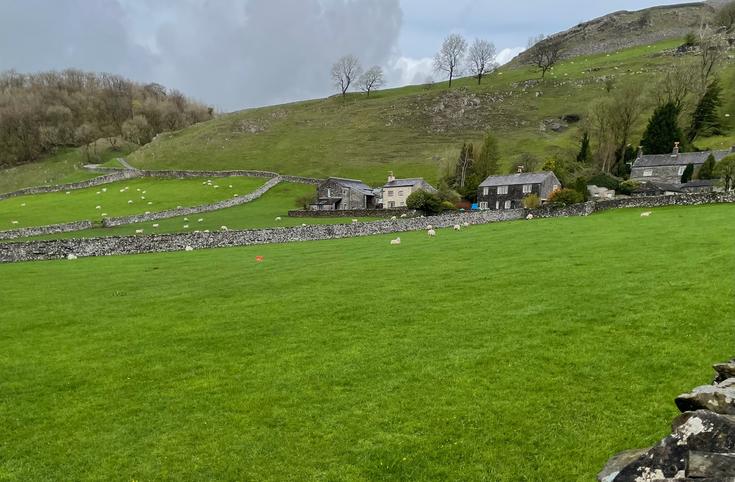
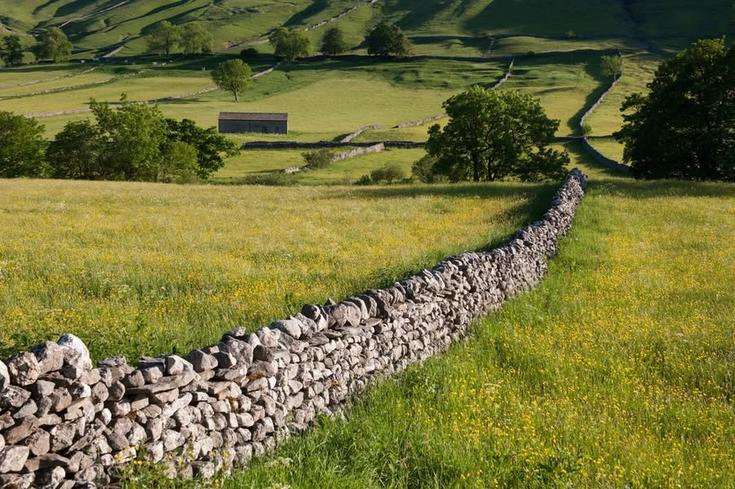
This area’s history is written in its landscape. You can find the remnants of walls dating from the pre-Roman era, old drovers’ lanes, dry-stone walls, sheep creeps, wash dubs, bee boles, packhorse bridges and lime kilns. Many ancient traditions are kept alive with events such as the Austwick Cuckoo Festival and May Day Maypole dancing at Long Preston.
Discover more about Ribblesdale and the surrounding area