Booze, Jingling Pot, Great Fryupdale, Blubberhouses: what's the original of these & other curious North Yorkshire place names? There's a fair amount of 'probably' & 'thought to'.. but here are some explanations.
Booze in the Yorkshire Dales is not the home of heavy drinkers, but likely to derive from the Old Norse for a temporary hut or shelter used by shepherds or miners. This does seem likely considering its location. Its remote position fits the idea of early seasonal dwellings that later became a permanent hamlet. Whaw also comes from Old Norse for a small enclosed valley.
Crackpot is another Old Norse name, means 'crow's cave', referrinf to the limestones caves in the area. A 'pot' refers to a pothole or deep cave shaft. Jingling Pot takes its name from the sound of water echoing or 'jingling' in the underground limestone chambers beneath it.
There's debate about what Blubberhouses might mean. One theory is it means the 'houses by the bubbling springs or streams'. Trollers Ghyll comes from the Old Norse troll, references local folklore about trolls said to inhabit the gorge. A 'ghyll' is a steep ravine.
Giggleswick may make you smile but has nothing to do with humour: it's named about Gikel and wike means a dairy farm or settlement.
Over in the North York Moors, Great Fryupdale has nothing to do with breakfasts, but refers to the Norse goddess, Frigga and is likely to mean Frigga's secluded valley. Hutton-le-Hole is a much loved village. Its name combines Old English for a farmstead on a little hill and hol meaning a hollow - it's a perfect name for this lovely spot.
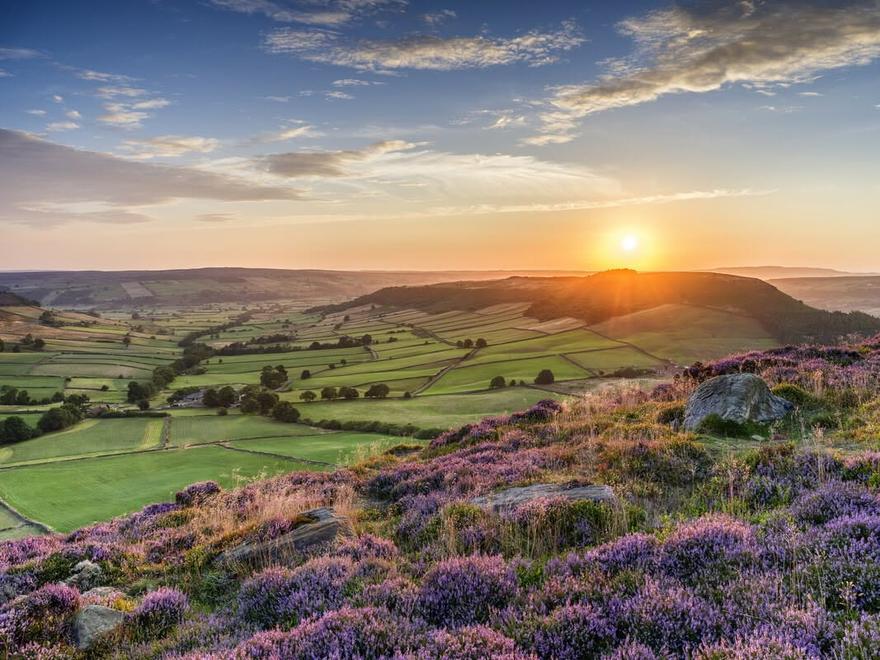
Photo: Little Fryupdale by Paul Kent/NYMNPA