
A tribal queen, a messy divorce & divided loyalties... The Richmondshire village of Melsonby has been in the spotlight recently for the remarkable hoard of Iron Age artefacts that showed how Northern territories, in particular Yorkshire, were anything but lowly backwaters.
Just when the Romans invaded our shores, Yorkshire was ruled by the Iron Age Brigantes, a Celtic tribe with Cartimandua at the helm, the first documented Queen to rule part of the British Isles, who was married to Venutius until their acrimonious divorce. After this, the cracks in the Brigantes stronghold started to appear with Cartimandua favouring an allegiance with the Romans while Venutius whipped up anti-Roman sentiment among other tribes.
At Forcett in Richmondshire, close to Melsonby, you can see the ruins of the Stanwick fortification, which many believe was the capital city for the Brigantes tribe, but there are Iron Age clues throughout the Yorkshire Dales.
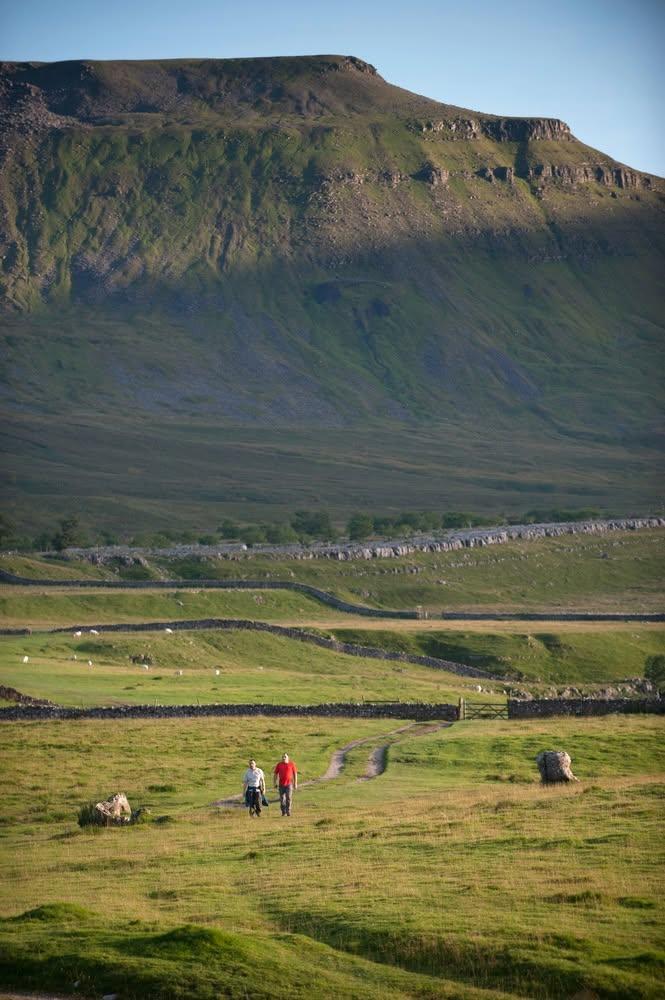
On the top of Ingleborough, at over 2,300 feet above sea level, the Brigantes built one of the highest hill forts and settlements in the region, to defend themselves against the Romans. With views out across the surrounding dales and Ribblehead, it would have been a key strategic location and archaeological finds suggest it was also an important hub for trade, farming and social events.
At Tor Dyke close to Cam Head above Kettlewell, there’s an ancient ditch earthwork which is believed to have been created in the Bronze Age but extended in the Iron Age by Venutius to defend the land from Roman invaders. You can follow a path right the way along the 2km dyke as it crosses the valley head between Wharfedale and Coverdale.
Alternatively head to Malham where there’s evidence of Iron Age burial sites near the Tarn, and settlements just outside the village on the hillside near Gordale. The arrangement of fields around the cove suggests the earliest date back to the Iron Age when land was divided into narrow strips although they were then subsequently overlain with the terracing and creation of lynchet steps in Medieval times.
Words by Amanda Brown Photo by Paul Harris